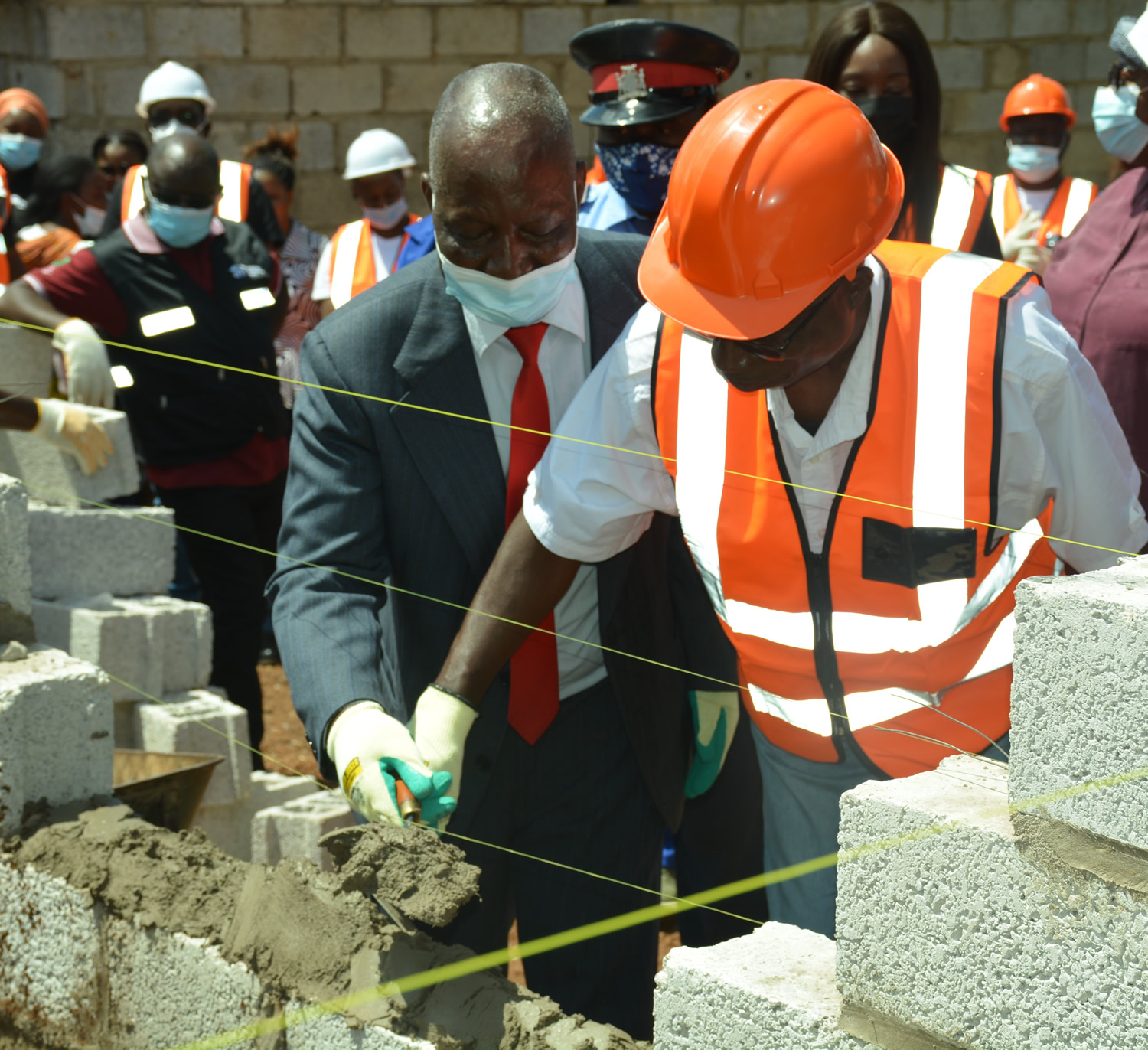
Zambia is a fast-developing lower middle-income country with an estimated population of 19,610,769 people and a growth rate of 3.4 per cent. The country has one of the highest urbanization rates in Sub-Saharan Africa pegged at 4.23% that has offset the proliferation and expansion of informal settlements that are home to 70% of the urban population.
Habitat for Humanity Zambia is therefore advocating for mutually reinforcing People Public Private Partnerships in holistically addressing the plight of informal settlement dwellers through the implementation of just policies, participatory upgrading initiatives and commensurate national budgetary allocations in line with national polices, national development plans and the far-reaching Sustainable Development Goals.

Challenges faced by informal settlements in Zambia
- Homes are built from poor construction materials such as mud and unprofessional construction techniques thus are susceptible to structural failure especially during the rainy season leaving some households literally homeless.
- Informal settlements generally have inadequate land security of tenure thus increasing the risk of involuntary displacements and evictions.
- Informal settlements have inadequate Water, Sanitation, Hygiene (WASH) and solid waste collection thereby increasing the risk of preventable waterborne diseases.
- Informal settlements have inadequate energy sources thus the dependance on unsustainable sources such as firewood and charcoal.
- Informal settlement dwellers to a greater extent do not have access to affordable financial products from Financial Service Providers or Microfinance Institutions to help them address their housing and livelihood needs therefore have limited capacities to invest in sustainable housing and essential basic services.
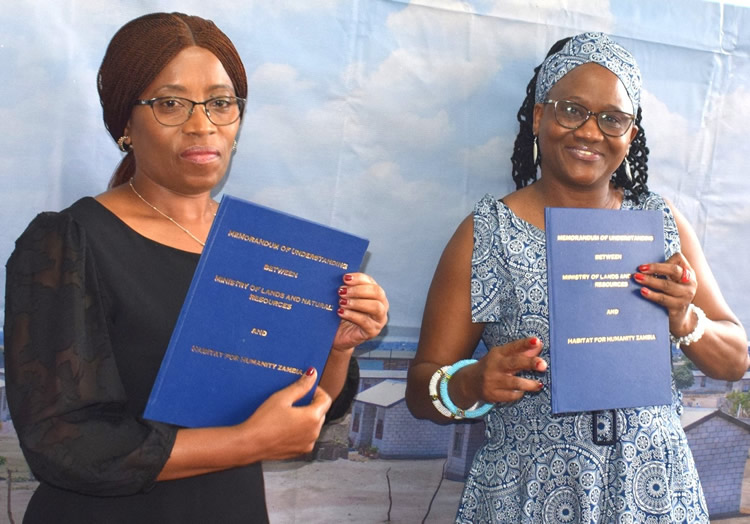
Why Home Equals is important in Zambia
- Home Equals will help to catalyze government’s efforts to implement the National Housing Policy (2020) and National Lands Policy (2021) particularly in informal settlements.
- Home Equals will provide transdisciplinary dialogue platforms with informal settlement communities at the center to review the implementation of policies, national development plans and the SDGs and lobby for increased budgetary allocations and timely disbursements for efficient and effective service delivery.
- Home Equals will amplify the voices of informal settlement dwellers in civic engagement and enhance social accountability.
Policy solutions
 Empowered Participation
 Reliable and Sustainable Basic Services
 Security of Tenure
 Climate Resilience